


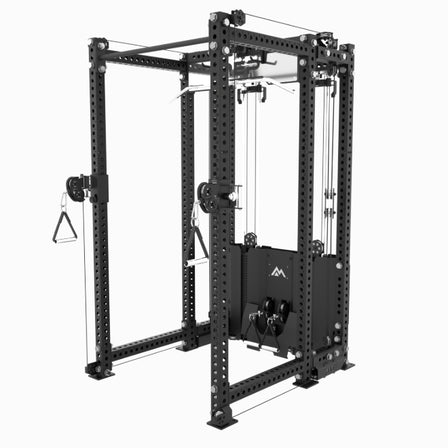
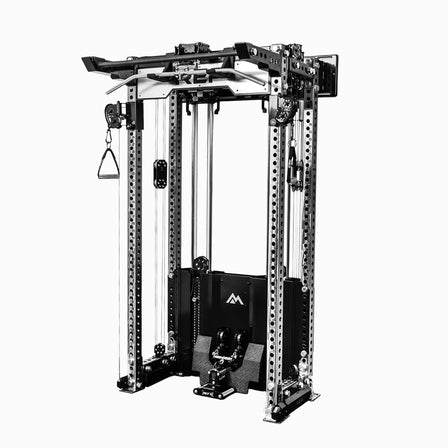
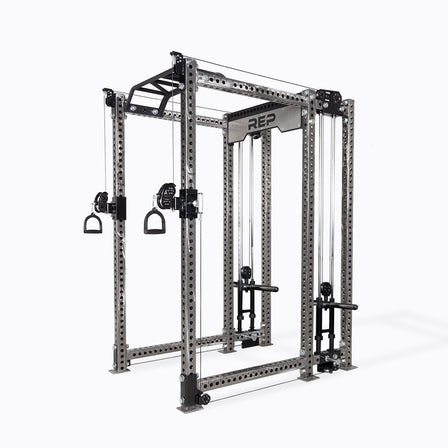
You want a REP® power rack, but you don't know which option is right for you and your training. Lucky for you, we're breaking down your options, comparing them to similar racks, and calling out key features to help you find the right fit.
Power Racks
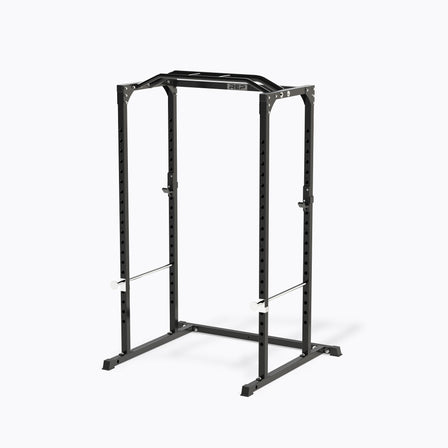
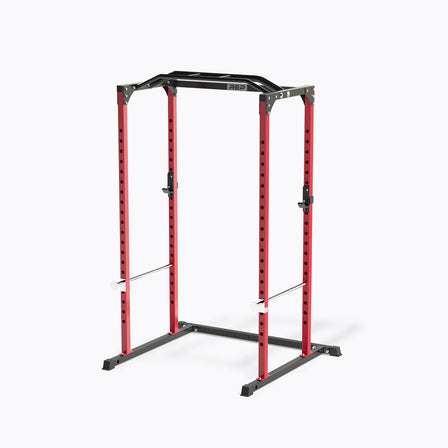
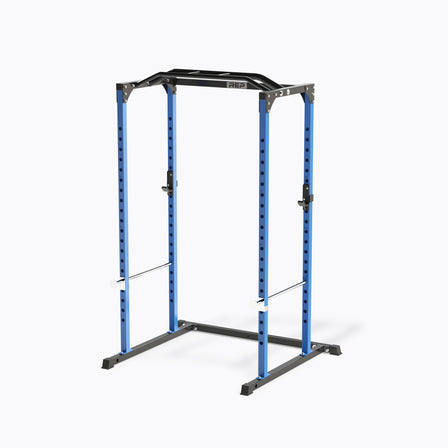
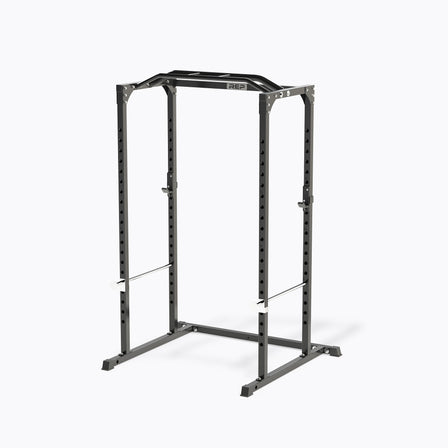
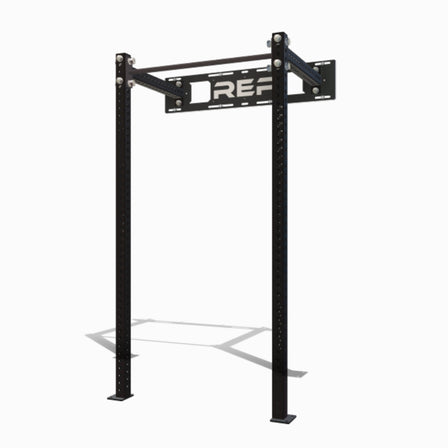
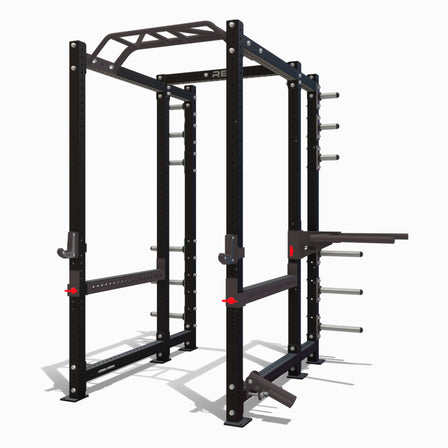
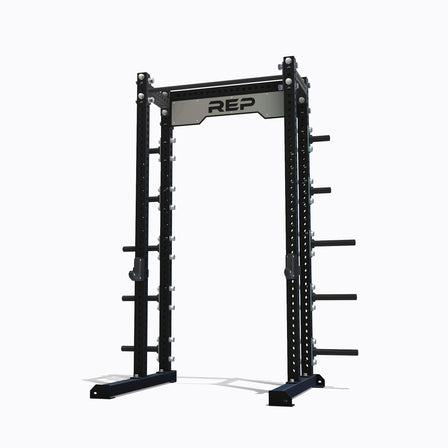
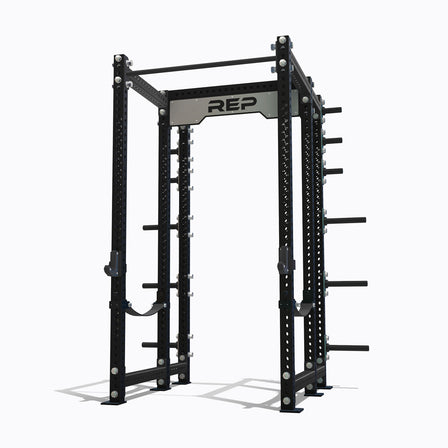
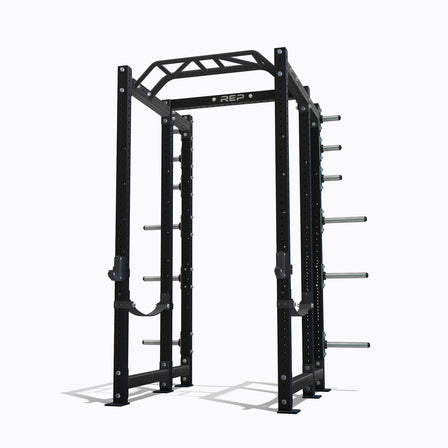
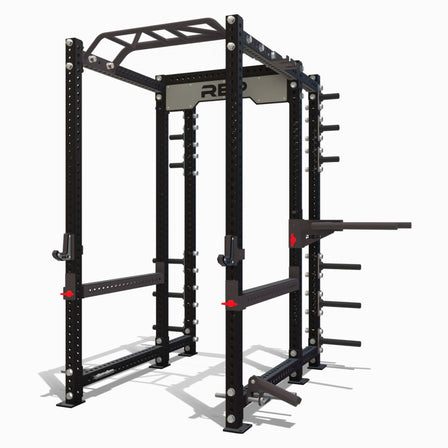
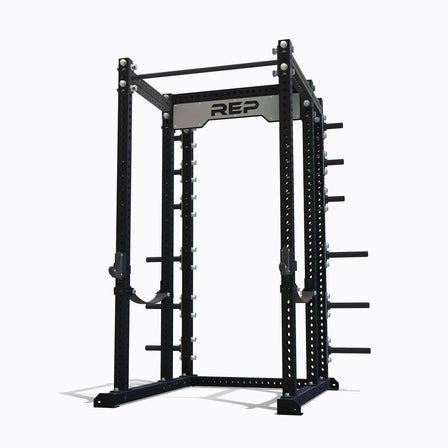

Your REP® Power Rack Cheat Sheet
A power rack is the centerpiece of your gym, providing the foundation for a wide range of exercises and allowing for endless customization. REP’s collection is organized by 1000, 4000, and 5000 Series, with the 5000 Series offering the most versatility and high-end features. Whether you’re looking for the best home gym power rack or one for a commercial space, REP’s racks—available as full power cages (of various depths and heights), squat racks, and half racks—deliver the highest durability and versatility for your workouts.These heavy-duty, metal, cage-like structures are essential for safe barbell lifts like squats, bench presses, and rack pulls. Plus, with tons of rack attachments and pulley systems, you can transform your rack into a full-fledged workout station, complete with on-rack cables and storage solutions.A squat rack or half rack offers more compact options while still being compatible with many attachments, making them ideal for smaller spaces. For those with very limited space, check out the foldable, wall-mounted options that maximize your workout area without sacrificing functionality.Investing in a REP power cage means investing in the heart of your gym, where you can customize your rack to fit your training needs.
FAQ
What’s the difference between a power rack, half rack, squat rack, and wall-mounted rack?
REP offers full power racks (four- or six-post cages with inside safeties and the widest attachment options), half racks and squat racks (more compact with spotter arms), and wall-mounted racks (space-saving, often foldable). For a side-by-side overview, see our Power Rack Comparison Guide.
How do I choose the right rack size for my space?
Measure ceiling height and floor area, leave clearance for pull-ups and overhead presses, and consider barbell length, bench movement, and plate storage. Many racks come in multiple heights and depths to fit basements, garages, and dedicated gyms.
What safety features matter most if I train alone?
A full power rack with inside pin/strap safeties provides the most coverage for failed squats and presses; half and squat racks rely on robust spotter arms. Whatever you choose, set up on a stable, level surface and keep clear bailout space around the rack.
How do REP’s rack series differ?
Our lineup is organized into the 1000, 4000, and 5000 Series, with each step up adding stability, modularity, and attachment options; the 5000 Series offers the most versatility and high-end features. For details on frame specs and configurations, see comparing the 4000 and 5000 Series racks.
Can I add cables and other attachments later, or start with an all-in-one setup?
Yes—REP racks support a broad attachment ecosystem, and compatible frames can integrate on-rack cable systems like REP ARES™ or ATHENA® so you can expand over time or build an all-in-one from day one. Check upright size, hole spacing, and series compatibility to ensure the attachments you want will fit.