


Weightlifting
SORT BY


















FAQ
How do I choose the right barbell for my training?
Match the bar to your style: mixed-use for all-around lifts, power bars for maximal strength with stiffer shafts and more aggressive knurl, and Olympic bars with faster-rotating sleeves for cleans/snatches. REP’s lineup covers each type, and our Barbell Comparison Guide breaks down knurl, spin, diameter, and finishes.
Do I need bumper plates or iron/urethane plates for a home gym?
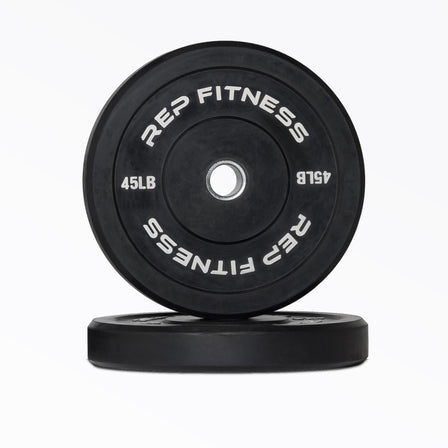
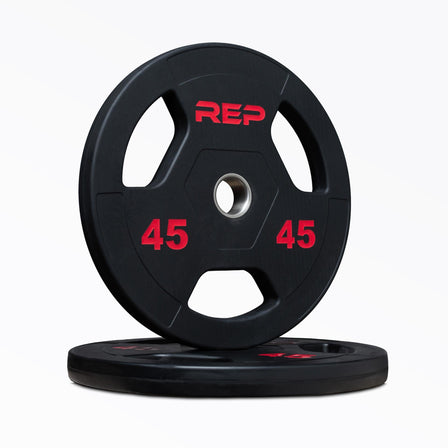
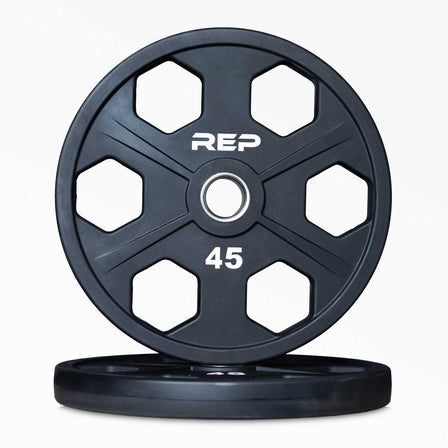
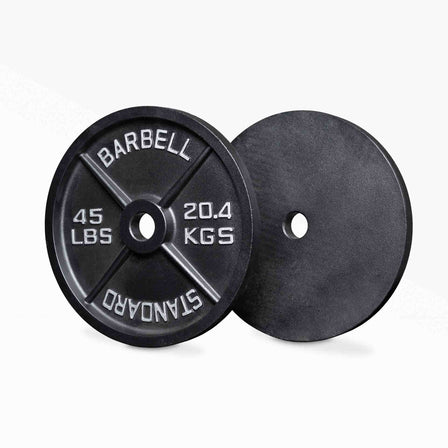
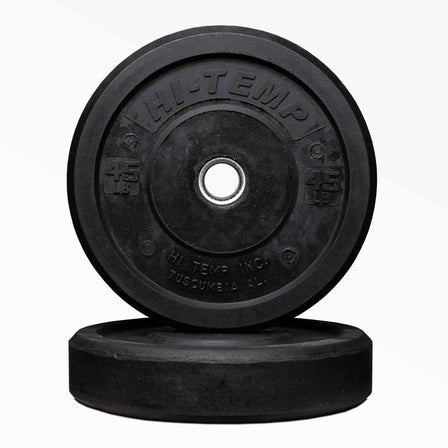
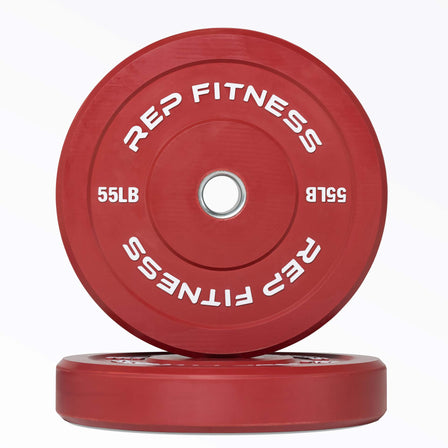
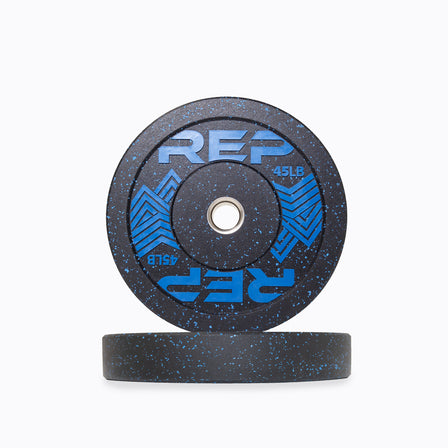
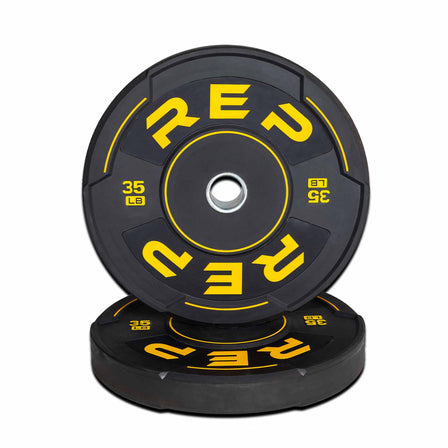
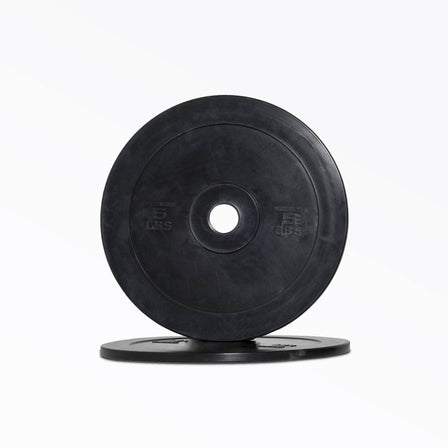
Choose bumpers if you plan to drop the bar or want quieter, floor-friendly training; iron is thinner and cost-effective for loading very heavy; urethane offers premium durability with a tough coating. For use-case pros and cons, see how to pick the best weight plates.
How many plates should I start with?
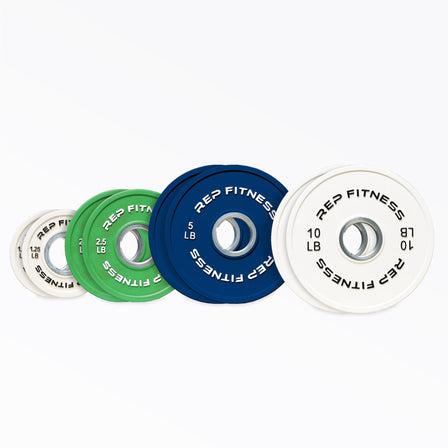
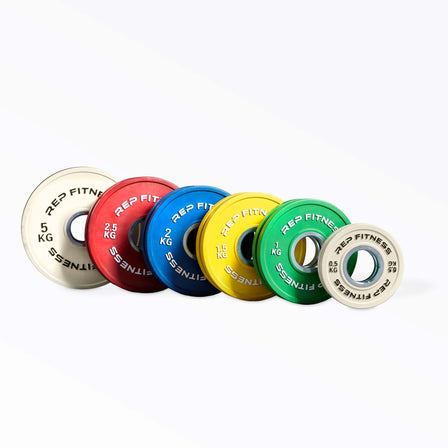
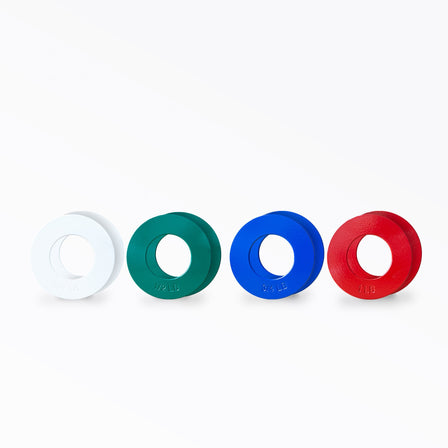
A common starter mix is two 45s, two 25s, and two 10s (plus 5s and 2.5s) so you can progress most compound lifts. Add change or fractional plates later for smaller jumps on presses and accessory work.
Are REP barbells and plates compatible?
Yes—most REP barbells use 2" Olympic sleeves, and our plates have 2" center holes, so they’re designed to work together; choose 15 kg or 20 kg bars based on preference. Always check the specs if you’re pairing with non-REP gear.
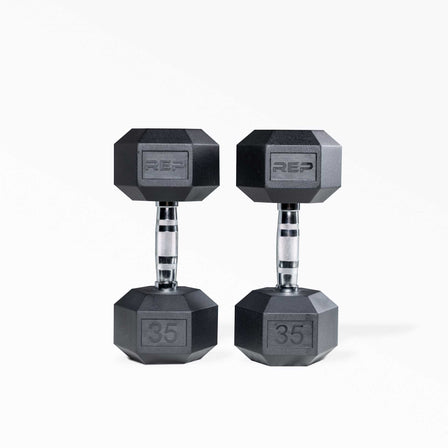
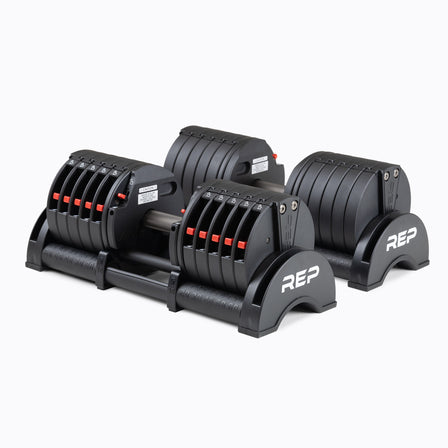
Should I choose fixed or adjustable dumbbells for my home gym?
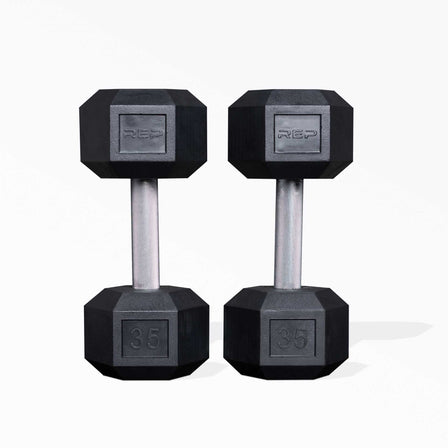
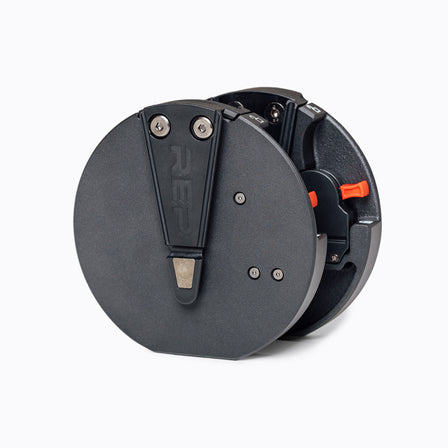
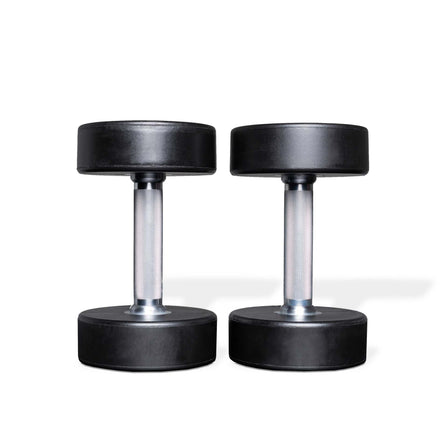
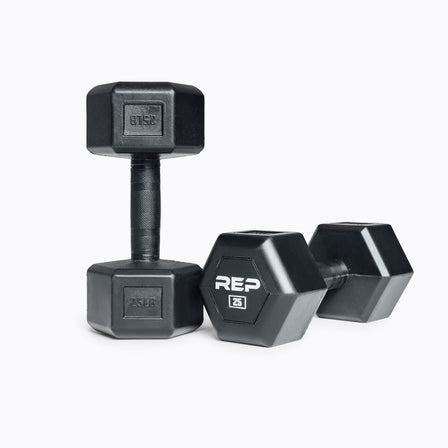
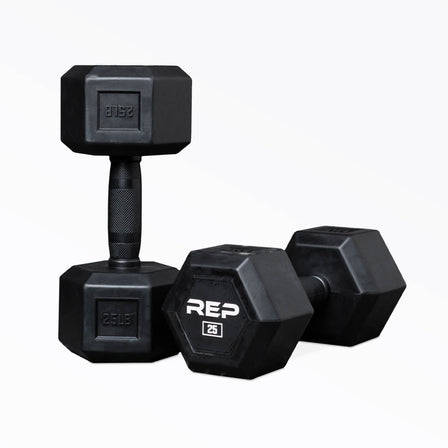
Fixed dumbbells are fast and durable but take more space, while adjustable dumbbells save room and budget with a wide weight range. REP offers both styles, including space-saving adjustable options, so pick the range and increments that fit your training and long-term goals.